
The Science of the Scoop: How Mobile Freezer Units Protect the Ice Cream Cold Chain
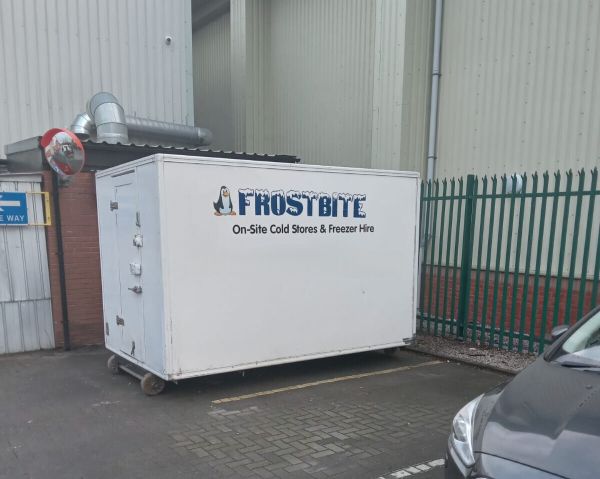
The production of ice cream is a delicate balance of chemistry and physics. Manufacturers in the North West know that temperature stability is the most important factor in product quality. From the moment the mixture leaves the churn to the second it reaches the consumer, the “cold chain” must remain intact. Even a minor rise in temperature can cause irreversible damage to the texture. This is why many factories now integrate mobile freezer units into their daily workflow. These units serve as more than just emergency backups; they act as vital buffer storage during the complex manufacturing process.
The Vulnerability of the “Hardening” Phase
Once ice cream is churned and packaged, it enters a critical stage called “hardening.” At this point, the product is still relatively soft. It contains tiny air bubbles and ice crystals that give it a creamy mouthfeel. To lock in this texture, the product must drop to -25°C as quickly as possible. If a factory’s main blast freezer reaches capacity, production must slow down or stop.
By utilizing freezer trailer hire, manufacturers create an immediate extension of their hardening room. This allows for continuous batch production without the risk of heat shock. Keeping the product at a steady, ultra-low temperature prevents the formation of large ice crystals. Large crystals result in a “grainy” texture that consumers dislike. A mobile unit provides the extra cubic footage needed to ensure every tub freezes at the correct rate.
Managing Seasonal Surges and Batch Trials
The ice cream industry is highly seasonal. Demand in the North West can triple during a summer heatwave. Most factories are built for average production levels, not these extreme peaks. Expanding a permanent cold store is a slow and expensive process. Instead, savvy producers use Frostbite Refrigeration trailers to scale their storage capacity instantly.
These mobile units also prove invaluable for Research and Development (R&D). When a corporation tests a new limited-edition flavour, they often want to keep that stock separate from their core lines. A dedicated freezer trailer allows for isolated testing and storage. This prevents any potential cross-contamination of allergens and allows for easier inventory tracking of the trial batch.
The Role of Buffer Storage in Logistics
Logistics is often where the cold chain is most at risk. In a busy manufacturing plant, loading docks are high-traffic areas. When a refrigerated HGV is delayed, palletised stock sits in the loading bay. This “staging” period is dangerous for frozen goods.
A freezer trailer parked at the loading dock acts as a “buffer.” Staff can move pallets from the main cold store into the trailer minutes before the truck arrives. This keeps the product at -18°C or lower until the very last second. It reduces the time the freezer doors stay open, which saves energy and protects the internal climate of the main warehouse. Following British Frozen Food Federation guidelines on staging is much easier with this extra flexibility.
Critical Contingency for Large Corporations
For large food corporations, a cooling failure is a high-cost disaster. A single broken compressor could put £50,000 worth of stock at risk. This is why many companies now include mobile refrigeration in their ISO 22000 food safety management plans.
Having a contract with a North West provider like Frostbite Refrigeration means help is only a phone call away. Our trailers arrive ready to run, providing a “lifeboat” for stock during plant maintenance. We ensure your business stays compliant with the strict Food Standards Agency rules, even when your primary systems are offline.
Efficiency Through Mobile Technology
Our trailers are designed for heavy industrial use. They feature thick insulation and powerful cooling motors that maintain deep-freeze temperatures in any weather. Because they use a standard 13-amp supply, they integrate easily into a factory’s existing power grid. They offer a cost-effective way to manage logistics without the capital expenditure of a building project.
For a detailed look at the dimensions and power requirements of our fleet, you can read our Ultimate Guide to Fridge Trailer Hire in the North West. If you need to plan for an upcoming production surge, we provide transparent hire prices to help you forecast your costs accurately.